
Reclosers and switchgear specified and procured by Oppus.
MV/LV Protection Systems
Protection engineering that keeps a fault from becoming damage.
Relays, trip curves, and coordination for your plant's medium- and low-voltage (MV/LV) equipment.
We engineer those settings for equipment sourced by Oppus, bought by the EPC, or already installed at the plant. Every device trips when it should, and only when it should.
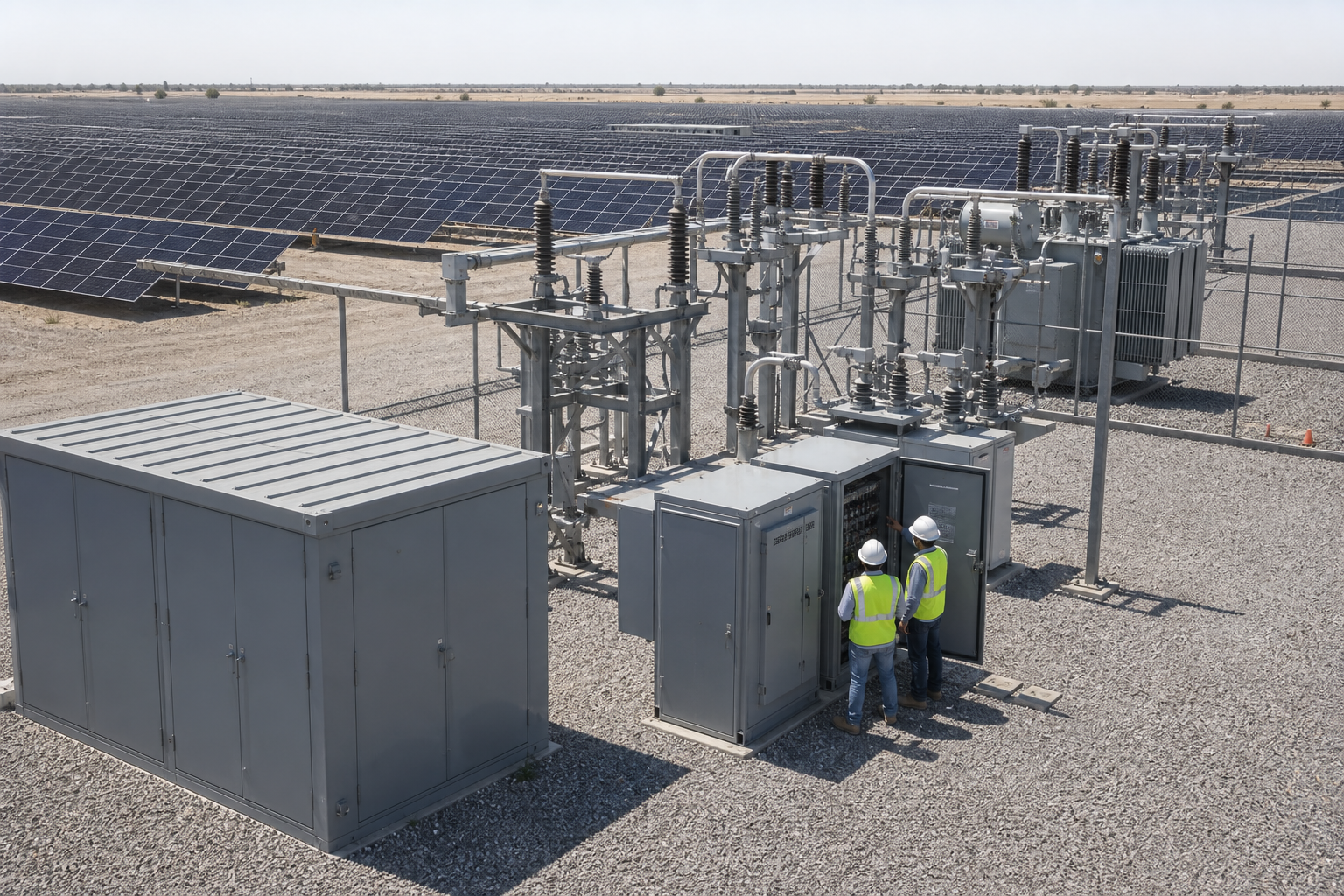
Protection settings
Protection devices do not coordinate themselves
Medium- and low-voltage protection equipment trips correctly only when the relays, trip curves, and device settings are calculated for that plant. Those settings are not included with the equipment.
Without a coordination study, a fault can trip more of the plant than necessary, or the device nearest the fault can fail to isolate it.
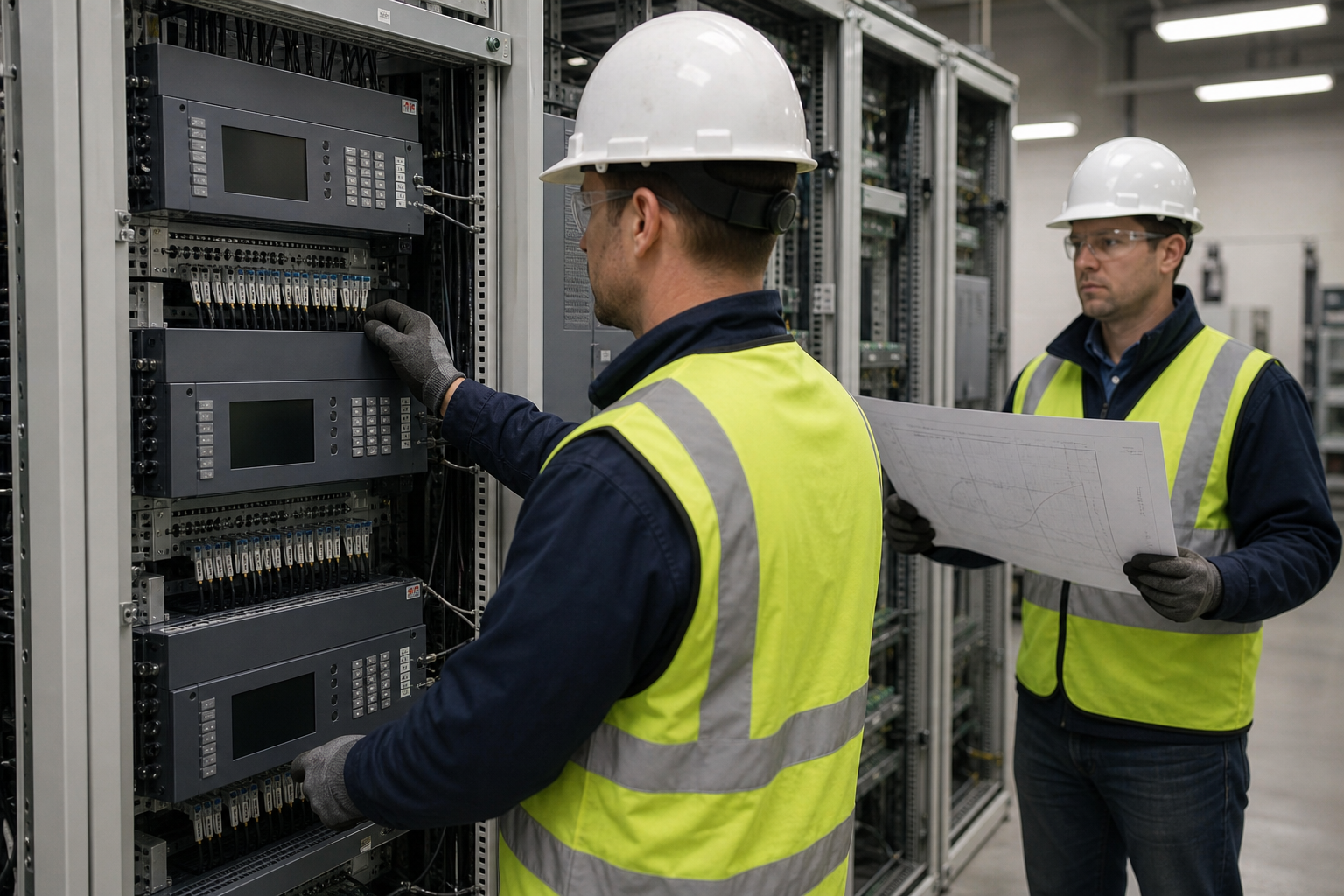
Capabilities
What our protection engineering services cover
Every item below is engineering work we perform on your equipment, from the MV protection relays at the interconnection to the LV trip units downstream.
Protection coordination study
We study the whole fault path across your MV and LV equipment.
Relay settings and trip curves
We program the protection functions your design requires — no library defaults.
Selective coordination
A fault is isolated at the nearest device; the rest of the plant does not trip.
Documented settings at handover
Documentation and settings are part of the handover we verify with your team.
Equipment from Oppus, the EPC, or the plant
We engineer equipment sourced by Oppus, bought by the EPC, or already installed, from any manufacturer.
Integration with monitoring and control
Protection events visible in your plant's SCADA, with the PLC layer for millisecond action.
Oppus calculates, documents, and commissions the protection settings
The study, the settings, the coordination check, the record, and commissioning follow one sequence. The equipment can be sourced by Oppus, bought by the EPC, or already installed.
Protection study
We review the MV and LV equipment for the plant and calculate how each device should respond to a fault.
Relay settings and trip curves
We define the settings and curves so the device closest to the fault trips first.
Coordination check
We verify that upstream and downstream devices do not trip together for the same fault.
Settings record
We document the settings, curves, and coordination results for the plant.
Commissioning
We apply the settings on site and test that the equipment operates as specified in the study.
You can supply the equipment, or ask Oppus to source reclosers and switchgear. Either one is enough to start this sequence.
Equipment sourcing
Oppus does this work on equipment from any of these sources
Protection equipment purchased by the EPC and handed to Oppus for engineering.
Protection equipment already in the plant.
The protection study, settings, documentation, and commissioning are the same in each case. You can supply the equipment, or you can ask Oppus to source it. Either one is enough to start the engineering work.
Related solutions
When you need the hardware from Oppus
Talk to a protection engineer
Tell us which equipment the plant will use — sourced by Oppus, bought by the EPC, or already installed — and which work you need: a study, settings, coordination, documentation, or commissioning.