
Plant Monitoring & Control
Measure the weather your plant runs on. Then put the data to work.
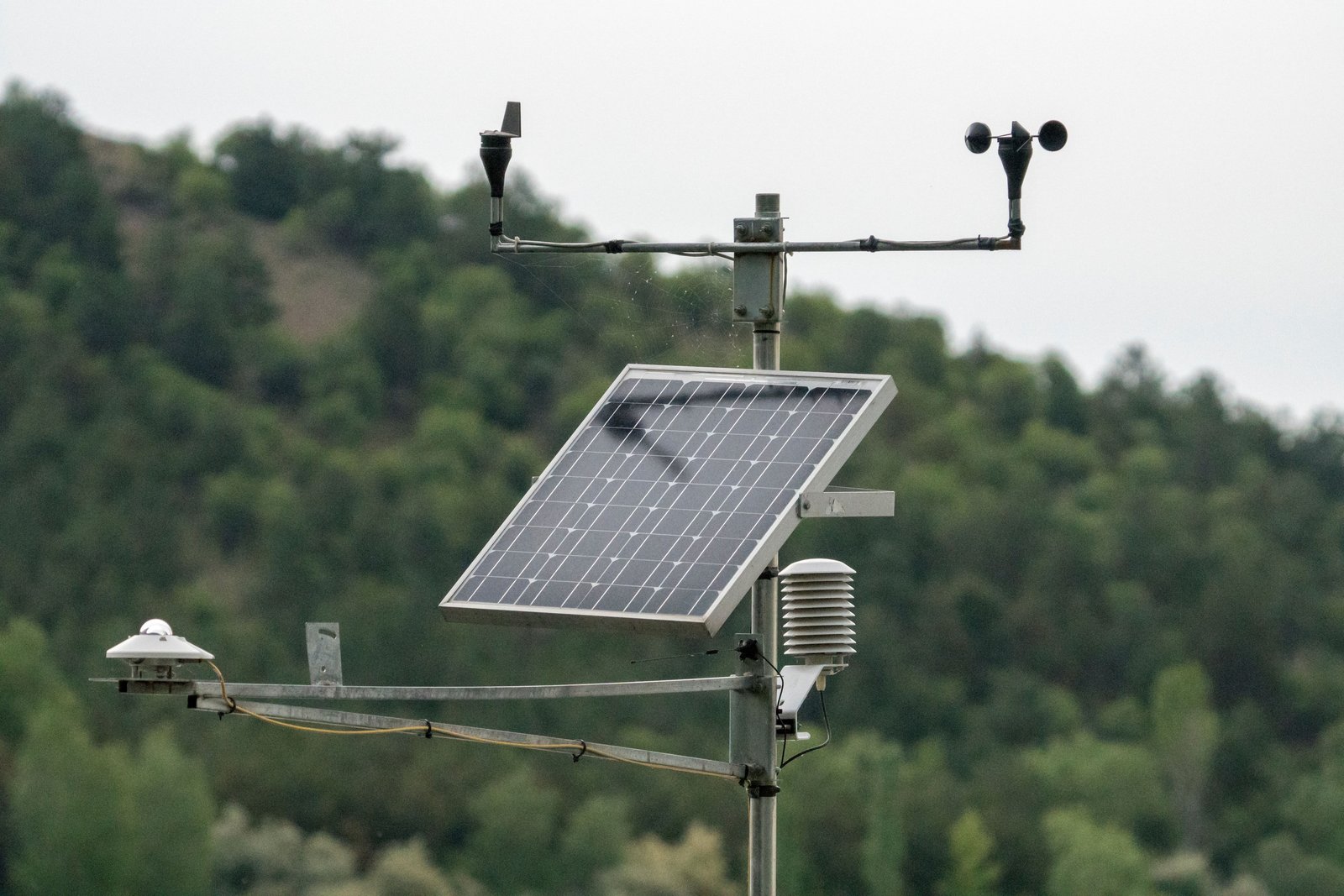
A utility-scale solar plant runs on weather it does not control. Our Weather Stations (Meteo) measure what matters at your site: solar irradiance, module temperature, ambient conditions, wind, and absolute pressure. That data answers the two questions that run the plant: what the environment is allowing right now, and what your plant can learn from it over time.
Beyond the sensor
Every reading arrives beside the generation it explains.
In a standalone logger, weather data sits apart from production until someone exports and aligns it. We configure every station around your plant's requirements and set up the SCADA it reports into, so there is nothing for your team to export or align.
Live data for the decision at hand
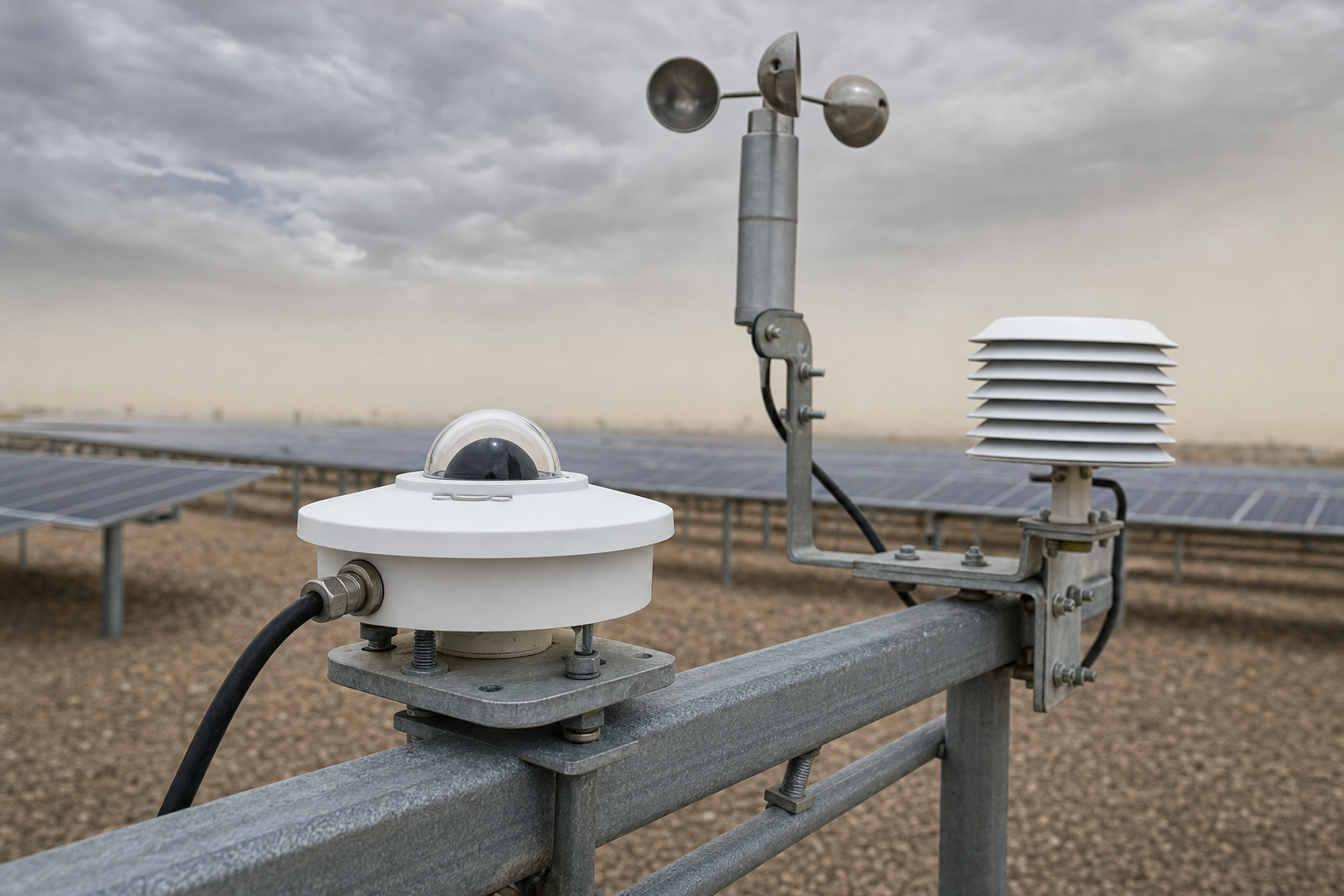
Station readings reach your SCADA as native inputs, in the same data model as your inverters and meters. Real-time analysis and alarms read the weather and the plant's response together, as they happen.
A historical record built for analysis
Every reading joins the historical record that already holds your plant's production. Your team studies performance across seasons and years against conditions measured at your own site.
Patterns and forecasts from your plant's own data
In your SCADA, analysis and AI (artificial intelligence) find the patterns that matter in your operational metrics and show what to act on first. Machine learning forecasts your generation, and the environmental and meteorological conditions behind it.
Measured at your plant
What the plant needs measured
A utility-scale PV plant needs its own environmental record, measured where the array sits. These are the parameters that record is built from, and what each one tells you on the plant.
| Parameter | What it measures | Why it matters on the plant |
|---|---|---|
| Irradiance | What it measuresSolar resource on the plane of the modules | Why it matters on the plantHow much sunlight is actually available to convert |
| Ambient temperature and humidity | What it measuresAir temperature and moisture around the array | Why it matters on the plantHot panels convert less; ambient conditions affect cooling and how fast equipment ages |
| Module temperature | What it measuresTemperature of the module surface, often hotter than the air | Why it matters on the plantThe temperature that actually drives conversion efficiency. This is the panel temperature measurement your station reports |
| Wind speed and direction | What it measuresHow hard the wind is blowing and from where | Why it matters on the plantWind cools the modules; it also marks localized stress |
| Absolute pressure | What it measuresBarometric pressure at the site | Why it matters on the plantPressure tracks air density and the weather systems moving over the plant, completing the environmental record your analyses run on |
What the data lets you do
Each of these decisions hinges on the same question: what the weather at your site allows.
Environmental limit or equipment fault
Inverters can be healthy and the plant still fall short when the environment allows no more. Measured conditions separate that limit from an equipment fault, so your team investigates only when the weather does not explain the gap.
Performance ratio, read in the moment
Performance ratio (PR) compares what the plant produced with what the measured resource allowed. With irradiance and module temperature measured on site, PR stops being a month-end report and becomes a live reading.
Inverters and strings falling behind
Against measured irradiance and your plant record, one inverter or string producing less than its peers stands out while averages look normal. Predictive maintenance builds on that read when weather and production patterns precede downtime, so your team acts before the loss compounds.
When to store, when to dispatch
On a plant with battery energy storage (BESS), measured irradiance and site conditions inform when to store and when to dispatch. The station at your plant measures that irradiance curve, so the timing follows the weather on site.
For the technical evaluator
The pyranometer: what your irradiance data stands on
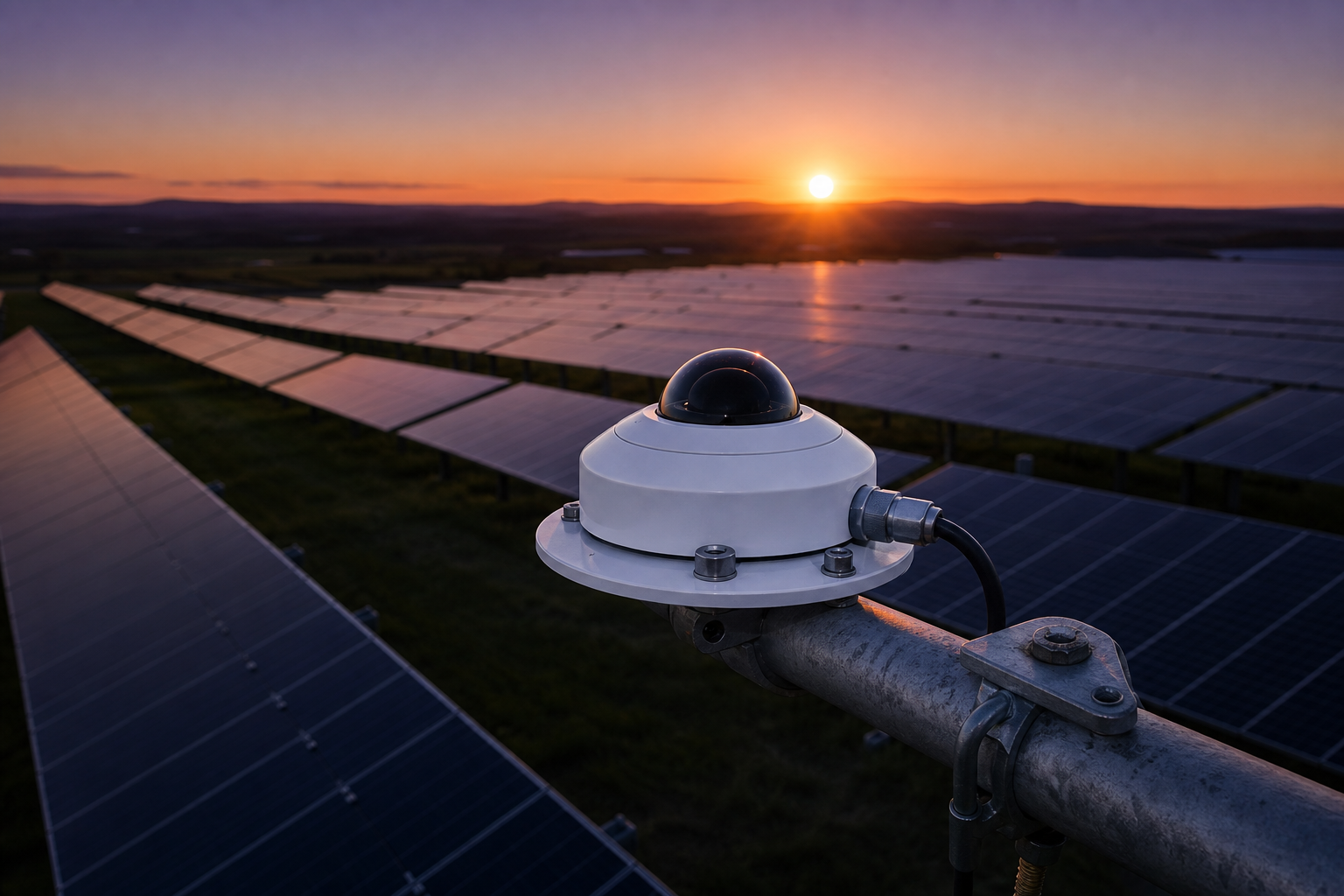
A pyranometer is the plant-grade instrument for measuring solar irradiance: the solar energy arriving at the plane of your array. We use that reading to understand how much solar energy is available to your plant, and to support performance monitoring, efficiency calculations, and orientation and tilt decisions. It is the reference every performance calculation on this page is checked against.
Capabilities
What the station is built to do
Every station we deliver is configured around your plant. These are the capabilities each configuration is built from.
Solar irradiance
The resource your plant converts, measured by pyranometer-class instruments. Every performance-ratio question starts here.
Panel temperature
Cell temperature moves output independently of irradiance. Measuring it separates a hot day from an underperforming array. This is the module temperature in the table above.
Wind speed and direction
The data behind equipment-protection decisions when the weather turns, and context for the array's thermal behavior.
Absolute pressure
Barometric pressure completes the environmental record your performance analyses run on.
Real-time environmental monitoring
Conditions at your plant, live, not imported from a distant reference station.
High-precision measurement
Sensor selection and placement are engineered for the accuracy your performance analysis requires.
Fault detection support
When measured conditions say the plant should be producing and it is not, the gap points your team at the fault.
Delivered ready to install
Each station arrives configured for your plant's sensors and data systems, ready to be installed and put into service.
Integration with SCADA systems
Station data flows into your plant's SCADA as native inputs: monitoring, alarms, trends, and the historical record your analyses run on.
Tailored to your needs
Sensor selection, station layout, and data integration are configured around your plant's requirements. We adapt the equipment to your plant, not the other way around.
Built around your plant
Custom-built weather stations
Oppus delivers weather stations configured by our engineers to meet your plant's requirements. Each station is engineered for three jobs: predicting energy generation, protecting your equipment during suboptimal weather, and enabling data-driven decisions across your operation.
Meteo instrument know-how


Our engineering know-how spans the meteo instrument manufacturers plants actually run on: Lufft, OTT Hydromet, EKO Instruments, Campbell Scientific, and NRG Systems. We select and integrate the instruments that fit your plant's requirements and budget, and we make them report into your system as one.
Related solutions
Where the data goes
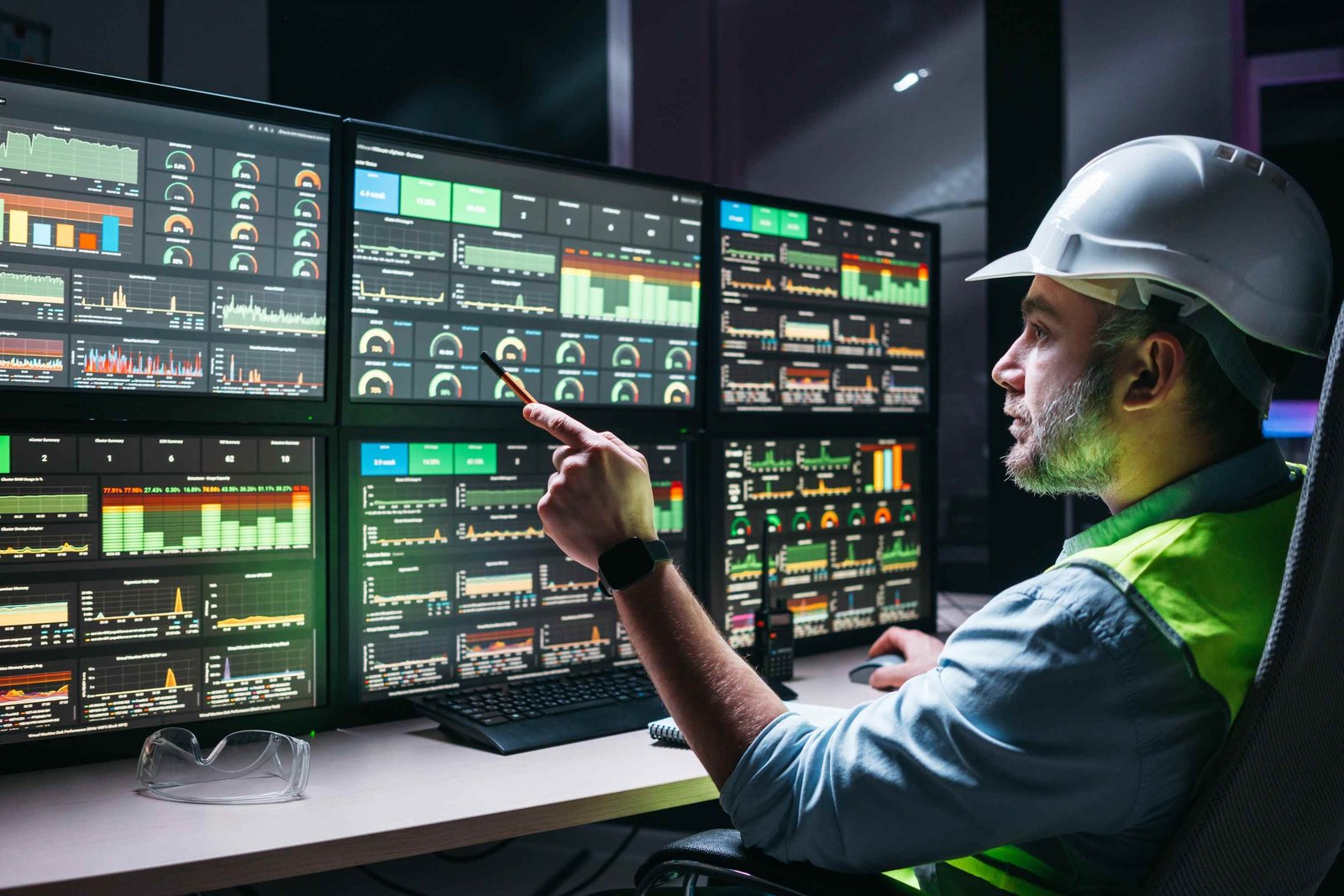
A weather station earns its keep when its data reaches the system that runs the plant. Your station's measurements feed your SCADA directly: real-time monitoring, alarms, and the historical record. That record is where performance analysis, prediction, and machine learning run, built from your plant's own operating data.
Tell us what your plant needs to measure. An engineer will spec it with you.
Every plant's measurement problem is its own: its layout, its climate, its data systems, and the decisions the data must support. Tell us about your plant, and we will tell you what its weather station looks like.